The hers truly Approach
*
The hers truly Approach *
Slowly. Gently.
Jessica Ware offers trauma-informed and individualised counselling support for women in a warm therapeutic environment. She believes that therapy begins before you walk in the room, and is intentional about the physical space as well as the sacred inner spaces which are explored in therapy.
Jessica utilises an integrative counselling approach, focusing on somatic, creative and expressive therapies. This is based on the core belief that healing occurs in the context of respect towards the inner parts of a person which have learned valuable survival strategies worth befriending rather than rejecting or ridiculing.
Therapy does not need to be a gruelling journey of introspection which leaves you feeling depleted and disregulated. Through intentional creative approaches, Jessica integrates individualised therapies to support women towards wholeness, empowerment and self-compassion.
Sandtray, arts, music, creative writing and present-moment body awareness are all tools which inspire Jessica within the counselling space. Creative talent, skills or abilities are not necessary for the beautiful work which can occur with these therapeutic tools. Complimentary therapies include Internal Family Systems (IFS), Narrative and Gestalt.

Jessica’s approach recognises that your experiences don’t exist in isolation. Your story is shaped by what you’ve lived through, your relationships, your environment, your body and the wider world around you. She draws on a range of counselling theories to understand the whole picture, so your support can be shaped around what feels most relevant and helpful for you.
Understanding the whole of you
Creative & Expressive Therapies
While creative therapies can encompass a range of artistic tools in the counselling room, Expressive Therapies is its own counselling method developed by Helen and Mark Pearson at Expressive Therapies Australia. Jessica utilises both at Hers Truly.
Music, symbols, sandtray, arts and craft are offered in counselling sessions and workshops. Poetry, journalling and other forms of creative writing are encouraged both inside and out of sessions to integrate a client’s self-expression.
Jessica has also completed training at ET Australia and offers activities through this specific framework.
Somatic Awareness
Jessica supports clients to gently notice the wisdom of her body. Somatic awareness is carefully integrated into every session and may be as simple as slowing down and noticing what happens inside of her as she shares her story.
Clients are supported gently to recognise her own automatic responses inside of the session and she is given the time to find stabilisation for any troubling symptoms. Together therapist and client may find existing strategies that support her to find inner safety, and new ways may also be introduced through slow and careful experimentation of breathwork or other body-based tecnhiques.
Gestalt
While an expansive approach encompassing several counselling interventions, Hers Truly adopts Gestalt’s tools of present-moment awareness, utilising the therapeutic relationship and the therapeutic space itself as part of the counselling process.
This looks like taking implicit relational events within therapy and exploring these together without meaning-making: simply noticing and witnessing parts of self and process that can easily be ignored.
INTEGRATIVE COUNSELLING APPROACHES
The thinking behind your care
Jessica draws on a range of counselling theories to better understand you as a whole person, not simply the challenges that brought you to counselling. These foundations help her consider your experiences, relationships, environment, nervous system and the wider context of your life, so the support you receive feels thoughtful, relevant and individual to you.
Trauma-informed
Trauma-informed theory poses the question “what happened” rather than “what is wrong” with a client. It is an affirming, non-pathologising foundation upon which all counselling occurs.
Biopsychosocial-spiritual
Hers Truly recognises a person is more than a body and brain. She is a biological, psychological, social and spiritual being. The counselling ethos here does not elevate or diminish one above the other.
Humanistic
Also called Person-Centred Counselling, the humanistic approach covers a school of thought that takes a shift away from a methodology that sees the therapist as the expert and client as patient, towards a collaborative approach that honours the innate humanness and diversity of each person.
Neuroscience & Polyvagal
Neuroscience and polyvagal theory help a person to understand her nervous system and not only how it has responded to life events and trauma in the past, but how to regulate and flourish moving forward.
Feminist & Intersectional
Hers Truly regards women’s counselling through the lens of societal issues including sexism, racism and ableism. While women face challenges due to her sex, adding other marganilised identities to this compounds her issues in unqiue ways.
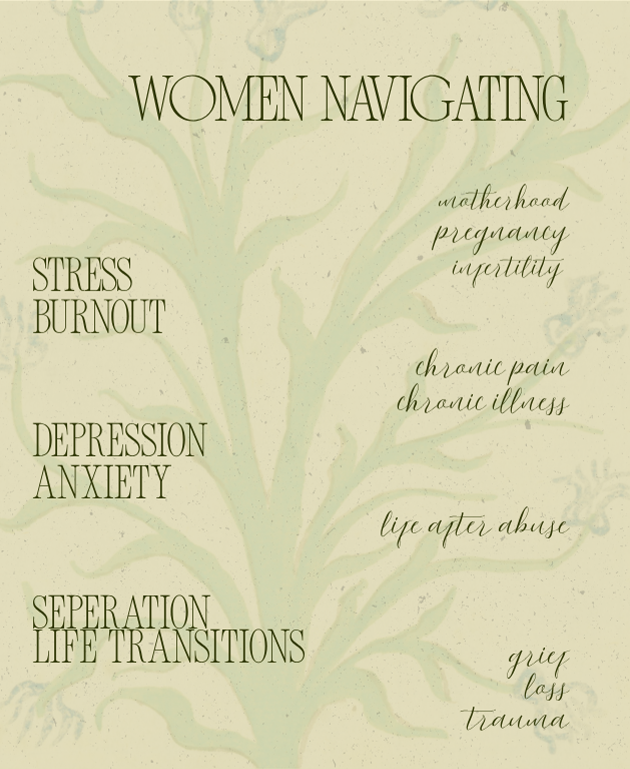
Jessica uses a range of complementary techniques to support the work you do together. Depending on what feels most helpful for you, these may offer practical ways to explore your thoughts and emotions, strengthen communication, build on your existing strengths and develop strategies you can carry into everyday life.
Supporting you in practical ways
Assertiveness training
Jessica has created her own version of Assertive Rights for women and supports clients to recognise the difference between aggressive, passive and assertive communication. This training does not impose one way of doing things, but instead explores how the client may or may not be communicating through conditioned or reactive forms that are no longer helpful or relevant to her. Together the therapist and client gently finds a new way of communicating that honours her truth and voice harmonious to her values.
Psychoeducation
Jessica explains relevant theories to clients within session. This may look like nervous system mapping, discussing attachment theory or the impacts of trauma and domestic violence.
CompliMENTARY TECHNIQUES
Values and strength-based strategies
Jessica supports clients to identify her values and inner strengths, supporting her to recognise the way she has survived in the past and empowering her to stay true to herself in the future.
Parts work
Jessica blends Internal Family Systems (IFS) and Gestalt-Style Parts Work, supporting clients to identify and befriend parts of her which may not have had a voice yet. Essentially this technique is a gentle way of taking a look at inner incongruence or strong emotions which individuals may find uncomfortable. These different and sometimes opposite “parts” may have something important to say and through curiosity and non-judgement clients can find relief and self-compassion through this kind of work.
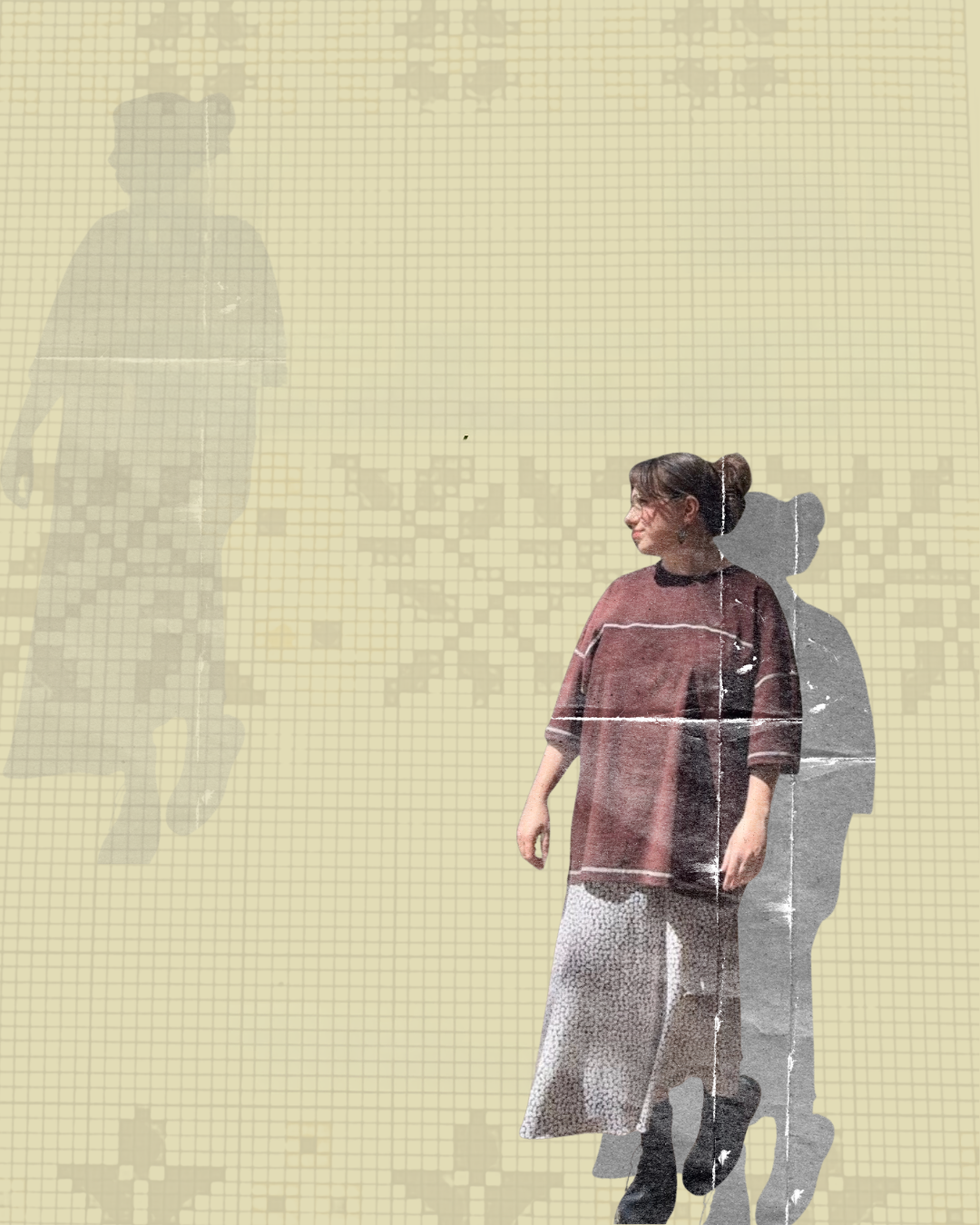
Meet Jessica Ware
Experiences and Passion
With a reflective and inclusive philosophy grounded in ethics and client empowerment, Jessica brings ten years of experience in the social sciences field including disability support work, youth ministry and social skills coaching. This professional career blends immersive and embodied therapeutic training with vigorous theoretical and practical academic achievements.
Jessica’s focus is on supporting women recovering from trauma, domestic violence and attachment wounds. Jessica also has a special interest in working within the perinatal and postpartum life stages. As a mum to a two-year-old girl, Jessica believes in being and raising up women to confidently be who they were created to be.
Credentials
Diploma of Social Sciences
Bachelor of Counselling with additional electives:
Trauma Counselling
Domestic Violence Counselling
Registration as ACA Level 2 Member
Ongoing professional development, includes:
Attachment Theory in Clinical Practice
Symbol Work - A Catalyst for Therapeutic Conversations
Child & Adolescent Skills